

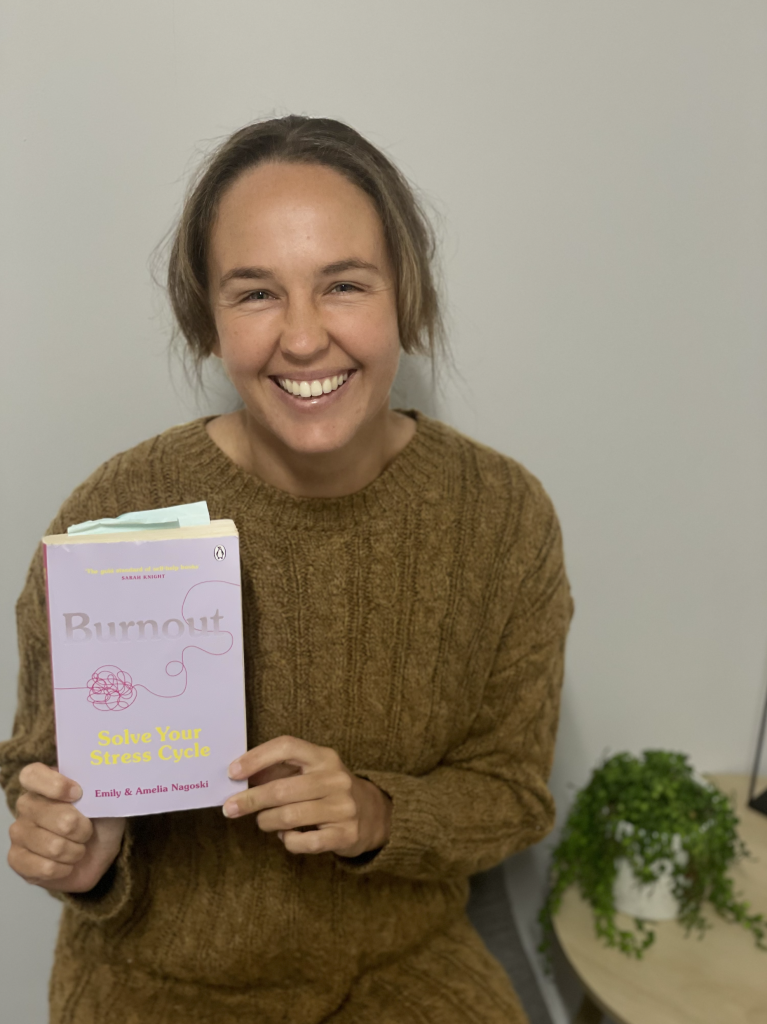
As a social worker who works in mental health and with chronic pain conditions in the South West of Western Australia, I often see people who are stressed, exhausted and in physical pain.
It is well known that people in rural, regional and remote Australia experience worse health outcomes than their city counterparts. They have less access to services and are exposed to increased health risks. This setting could not be truer when it comes to chronic pain & mental health, with both prevention and management resources severely lacking.
We live in a beautiful and idyllic place, although our community does struggle with an enormous amount of pressure. Many families have partners working FIFO, shortages of staff for many businesses, long hours at work, inflation and so forth, which are good recipes for stress. And sometimes, this can lead to burnout.
I decided to write this article because burnout is a concept close to my heart. As a practitioner, I’ve seen how burnout affects many of us and the significant and long-term impacts it has on our lives.
What is burnout? We hear the word often, and intuitively, we KNOW what it is but what defines burnout?
I think it is good to outline the three components of burnout as identified by Herbert Freudenberger in 1975:
- Emotional exhaustion – the fatigue that comes from caring too much, for too long;
- Depersonalisation – the depletion of empathy, caring, and compassion; and
- Decreased sense of accomplishment – an unconquerable sense of futility: that feeling that nothing you do makes any difference.
If it sounds familiar to you, you might be struggling with burnout.
Most of the research on burnout focuses on professional burnout, but there is a growing focus on other areas of possible burnout; “parental burnout”, “compassion fatigue”, and even “COVID burnout”, among others. The above definitions apply across these areas too, and the impact of these other types of burnout is real.
Can you think of other areas of burnout specifically relating to your life?
No specifically discussing the emotional aspect of burnout, we know that usually, emotions end as they started, automatically, without too much help from us. When your attention shifts from one thing to another, your emotional response to that stimulus also shifts.
Emily and Amelia Nagoski describe emotions like tunnels and burnout like this:
If you go all the way through them, you get to the light at the end. Exhaustion happens when we get STUCK in an emotion.
We may get stuck simply because we’re constantly being exposed to situations that activate emotion”
I like explaining the following to my clients:
You are expected to return to a stressful job every day, or once you’re a parent, you’re never not a parent; So, you’re always going through the emotional tunnel.
Or, you get stuck because you can’t find your way through; The emotions may be too big, and the situation too demanding or overwhelming for you to move through alone.
Or you may be stuck in the situation that is causing the emotional experience, so you stay stuck in the emotion.
So in short – There are many reasons and combinations why someone may experience the emotional exhaustion part of burnout.
With my training and by reading this amazing book from Emily & Amelia Nagoski, I’ve compiled 3 key steps for you to try to overcome burnout.
Step 1: Understanding the things that cause you to experience stress in your life is the first step to making small but meaningful changes to prevent or recover from burnout.
“Dealing with your stress is a separate process from dealing with the things that cause your stress. To deal with your stress, you have to complete the cycle.”
Ok, but what is the difference between stressors and stress?
I get this question a lot. So, stressors can be anything you see, hear, smell, touch, taste or imagine that could do you harm. They are both external (work, family, relationships, money) and internal (self-image, memories or goals for the future) and are essentially anything that your body identifies as a threat, so they activate the stress response in your body.
Whereas, stress is the neurological and physiological response that happens in your body when you encounter a ‘stressor’ (heart beating faster, blood pumping harder, blood pressure increases, breathing quicker etc.). It’s an evolutionary adaptive response that has helped us survive by preparing our bodies for fight or flight.
So the stress response is your body’s way of preparing you for what you need to do to survive an actual or perceived threat – run or stay and fight. However, just like chronic pain, your stress response can be a little too overzealous sometimes in its bid to protect you. It can be hyper-vigilant and easily triggered by stressors in our environment.
There can be many reasons for this occurring, and again, they are individual to us and our life circumstances. Still, they may include the belief of being unable to cope or handle a situation, poor sleep, pain or other health and mental health factors, financial or housing insecurity, relationship issues, and trauma, among other things.
Step 2: Notice how your body responds to your stressors so that you can begin to learn when you’re becoming stressed, before it turns to burnout
Are you:
- Struggling to sleep?
- Experiencing more pain or pain flare-ups?
- Short tempered or less patient?
- Tearful?
- Numb?
- Forgetful or foggy?
- Loss of motivation or less interested in your usual enjoyable activities?
- Drinking, eating or spending more?
The way that stress plays out in our lives is very unique to us but there are some common factors; We try to numb, to add excitement, to withdraw or to overdo. Have a think about a time that you realised you were stressed, what were the thoughts, emotions and behaviours you exhibited leading up to that experience?
So, what do we do about the stressors and stress once we know what it looks like in our lives and how it impacts us?
Step 3: Find what works for you. We will all have our own ways of completing the cycle so learn your own.
How to complete the stress cycle and reduce the emotional tension built up during a stressor
Physical Activity – Run, Walk, Swim, Dance or literally anything that gets you breathing deeply. For how long you ask? Between 20mins to 60mins a day for most folks. Key point – MOST days. Afterall, you experience stress most days, so you should complete the stress response cycle most days, too. Even standing up from your chair, taking a deep breath, tensing all your muscles for 20 sec, then shaking it out with a big exhale is great!
Breathing – Deep, slow breaths downregulate the stress response. Especially when exhalation is long and slow and goes all the way to the end of the breath so that your belly contracts. Breathing is most effective when your stress isn’t that high, or when you just need to siphon off the very worst of the stress so that you can get through a difficult situation. A simple, practical exercise is to breathe into a slow count of five, hold that breath for five, then exhale for a slow count of 10 and then pause for another count of 5 x 3.
Positive Social Interaction – Casual but friendly social interaction is the first external sign that the world is a safe place. Reassure your brain that the world is a safe, sane place, and not all people suck J
Laughter – Laughing together, and even just reminiscing about the times we’ve laughed together, increases relationship satisfaction. This means belly laughs, not just polite laughter which helps to make and maintain social bonds and regulate emotions.
Affection – Deep connection with a loving presence which most often comes from some loving and beloved person who likes, respects, and trusts you, whom you like, respect, and trust also. A warm, strong 20 second hug or until relaxed, a long mindful kiss, holding hands or a meaningful conversation. A hug, cuddle or patting a dog or loved animal.
Crying – Anyone who says “crying doesn’t solve anything” doesn’t know the difference between dealing with the stress and dealing with the situation that causes the stress. Ever burst into tears for a few minutes, before wiping your nose, sigh a big sigh, and just felt relieved from the weight of whatever made you cry? You may not have changed the situation that caused the stress, but you have completed the cycle.
Creative Expression – Engaging in creative activities today leads to more energy, excitement, and enthusiasm tomorrow. Music, art, sports, theatre, storytelling – these forms of expression encourage big emotions to come up, be present and help us lean into them and feel all the feels, instead of ignoring or masking them.
How do you know they have worked? It’s like knowing you’re full after a meal; your body tells you and sometimes it’s easier to recognise than other times. You may notice it as a shift in mood or mental state or physical tension, as you breathe more deeply, and your thoughts relax. If stress has been ongoing over several days/weeks or it’s a big stressor then 1 gym workout, 1 casual chat or strong and loving hug may not be enough and may require ongoing self care and scheduled ways of completing the cycle. And sometimes it may feel like you have totally completed the cycle whereas other times it feels like a drop in stress from say an 8 to a 4 out of 10.
Stress, overwhelm, and burnout are common factors that bring people in for counselling support. The good news is that changes can be made in your life to help you cope and to reduce or eliminate the big-ticket stress items in your life. Don’t get me wrong, we can’t eliminate your stress entirely because it is a natural part of life, but perhaps we can change the way you are approaching a situation or explore how we can change the situation itself or your relationship to stress. If you would like to chat with me further about what this would look like in your life, don’t hesitate to give me a call for a FREE Discovery Session where we can briefly outline what the work will look like. Alternatively, if you’re ready to get started, book online with me today.
Written by Jade Marklew (Social Worker), Mana Health Clinic
This blog draws information directly from the fabulous book Burnout; Solve Your Stress Cycle by Emily and Amelia Nagoski
